How Much Water Should You Drink a Day by Weight

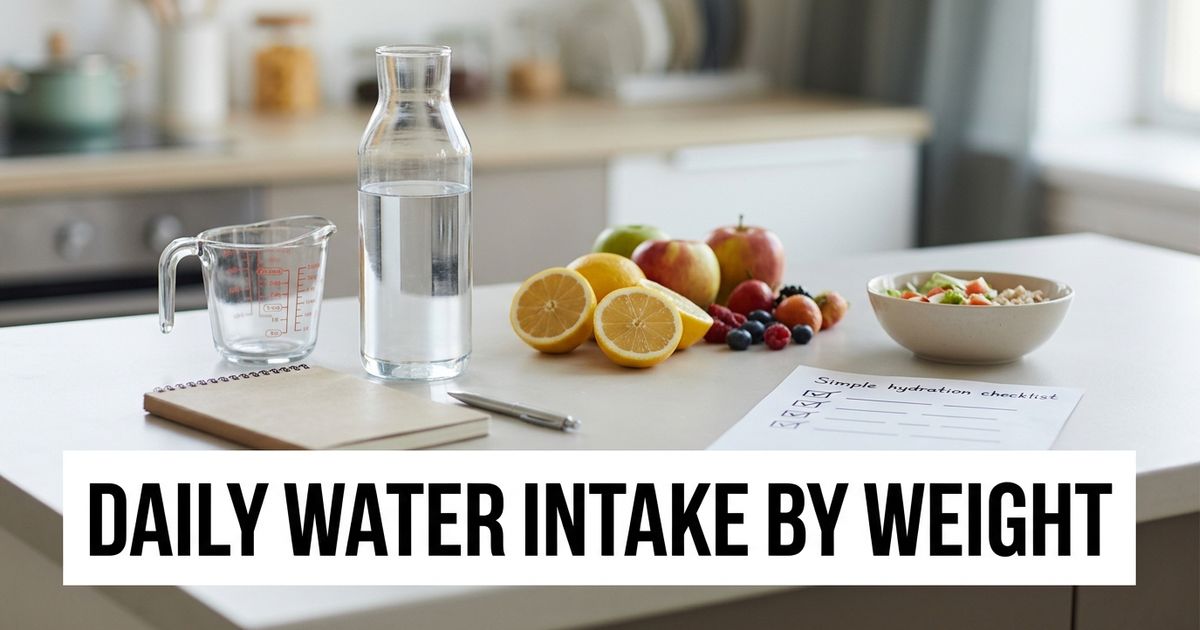
A simple way to estimate daily water intake by weight is to start with half an ounce to two-thirds of an ounce of fluid per pound of body weight.
That means a 160-pound adult may use 80 to 107 ounces of fluid per day as a rough starting range.
This is not a medical rule. It is a practical estimate.
Official guidance from the National Academies gives broader daily total water targets: about 3.7 liters per day for men and 2.7 liters per day for women, including water from drinks and food.
Mayo Clinic uses the same general range and notes that fluid needs depend on body size, activity level and environment.
Weight-based charts are useful because a 110-pound person and a 220-pound person usually do not need the exact same amount.
They still need adjustment for sweat, climate, diet, pregnancy, breastfeeding, illness and medical conditions.
Daily water intake by weight chart
Use this chart as a starting point for total daily fluids from drinks and water-rich foods.
| Body weight | Lower target | Higher target |
|---|---|---|
| 100 lb | 50 oz | 67 oz |
| 120 lb | 60 oz | 80 oz |
| 140 lb | 70 oz | 93 oz |
| 160 lb | 80 oz | 107 oz |
| 180 lb | 90 oz | 120 oz |
| 200 lb | 100 oz | 133 oz |
| 220 lb | 110 oz | 147 oz |
| 240 lb | 120 oz | 160 oz |
One cup equals 8 ounces.
A 160-pound adult using this chart would aim for about 10 to 13 cups of total fluid across the day.
That includes water, unsweetened drinks, milk, coffee, tea, soups, fruits and vegetables.
A person who eats a lot of water-rich foods may need less plain water than someone eating mostly dry, salty foods.
📰 Read Also: Benefits of Cold Showers: What Science Actually Says
How to calculate water intake by weight
Use this formula for a quick estimate:
Body weight in pounds x 0.5 to 0.67 = ounces of fluid per day
For a metric estimate:
Body weight in kilograms x 30 to 35 = milliliters of fluid per day
A 70-kilogram adult would land around 2,100 to 2,450 milliliters per day before adjustments.
That is about 2.1 to 2.45 liters.
This works best as a starting range, not a strict prescription.
If your urine is consistently pale yellow, you are rarely thirsty, your energy is stable and you are not getting headaches from dehydration, your intake may be enough.
If your urine is dark, you are thirsty often, your mouth is dry or you get headaches in heat, you may need more.
Why official water targets are not only plain water
Many people think daily water intake means only glasses of plain water.
Official total water intake includes all fluids and water from food.
National Academies data show that drinks provide most water intake, but food also contributes a meaningful amount.
Fruits, vegetables, soups, yogurt, milk and cooked grains all add fluid.
Coffee and tea also count toward fluid intake for most people, although heavy caffeine may cause problems for some individuals.
Sugary drinks technically add fluid, but they also add calories and can work against weight and blood sugar goals.
A healthy hydration routine should make plain water the default and keep sweet drinks occasional.
When you need more water
You may need more fluid when you sweat more.
Hot weather, humid climates, fever, vomiting, diarrhea, long outdoor work and intense exercise all raise fluid needs.
People who eat a high-protein or high-fiber diet may also notice they need more water for comfort and digestion.
Air travel and dry indoor heat can increase thirst.
Pregnancy and breastfeeding can raise fluid needs, and medical guidance is safest in those situations.
CDC guidance emphasizes water as important for normal body function and dehydration prevention.
A practical approach is to increase fluids before thirst becomes intense.
Waiting until you feel very thirsty can leave you catching up all day.
📰 Read Also: Pets Can Overheat Even While Resting at Home
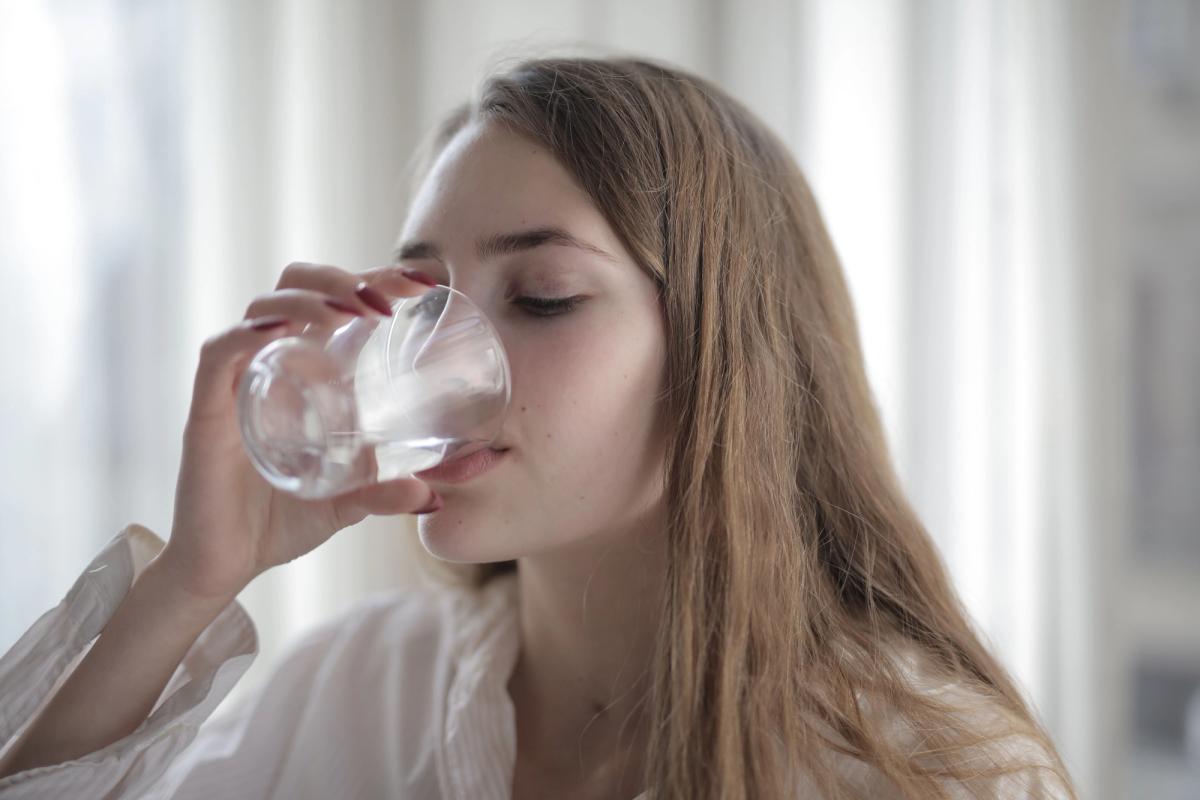
When you may need less water
More water is not always better.
People with heart failure, kidney disease, liver disease, low sodium history or fluid restrictions should follow medical advice.
Some medications also affect fluid balance.
Drinking extreme amounts of water can dilute sodium in the blood, a dangerous condition called hyponatremia.
That risk rises when someone drinks large volumes quickly, especially during endurance events or while replacing sweat with only water and no electrolytes.
The safest hydration plan matches your body, not a challenge from social media.
If a clinician gave you a fluid limit, use that limit over any online chart.
Signs you are not drinking enough water
Common dehydration signs can include thirst, dry mouth, darker urine, headache, fatigue, dizziness, constipation and reduced urination.
These signs are not specific to dehydration.
They can also come from illness, medication, sleep loss, low calories or other health problems.
Urine color is a useful daily clue for many people.
Pale yellow often suggests adequate hydration.
Very dark urine can suggest you need more fluid, unless vitamins, medications or certain foods are changing the color.
Clear urine all day may mean you are overdoing water, especially if you are urinating constantly.
Do you need electrolytes?
Most people do not need electrolyte drinks for normal daily hydration.
Food usually provides sodium, potassium and other minerals.
Electrolytes become more useful during heavy sweating, long exercise, intense heat, vomiting, diarrhea or work that causes major fluid loss.
A person walking indoors and drinking water through the day usually does not need a sports drink.
A person working outside in high heat may need both water and electrolytes.
Choose electrolyte drinks carefully because some are high in sugar.
Oral rehydration solutions may be useful during illness, but people with medical conditions should ask a clinician.
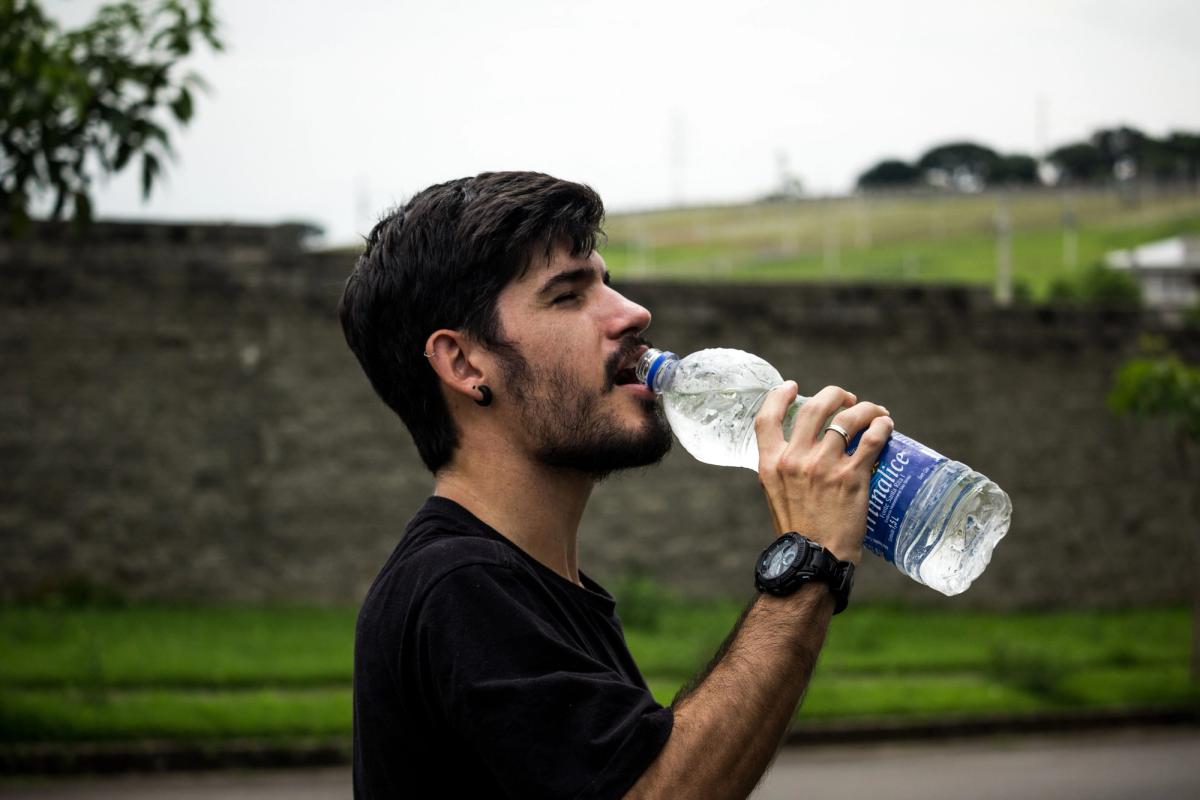
Best times to drink water
A good hydration schedule spreads fluid across the day.
Drink water after waking, with meals, between meals and before heat exposure.
Do not force large amounts at bedtime if it causes nighttime bathroom trips and poor sleep.
If mornings are rushed, keep a bottle near your work area.
If afternoons bring headaches, add a planned water break after lunch.
If you forget water completely, connect it to existing habits: after brushing teeth, before coffee, with each meal, and when starting work.
Small repeatable cues work better than trying to drink the entire day’s target at once.
📰 Read Also: How to Get Rid of Brain Fog Naturally
Water intake for weight loss
Water can support weight loss, but it does not burn fat directly.
It helps most when it replaces calorie-heavy drinks or reduces confusing thirst with hunger.
Drinking water before meals may help some people eat more mindfully.
The stronger fat-loss habit is replacing soda, sweet coffee, juice or alcohol with water or unsweetened drinks.
That reduces calories without removing solid food.
Hydration also supports workouts for people who exercise, but water alone cannot replace a calorie deficit.
Common hydration mistakes
The first mistake is following one fixed number for everyone.
Body size, heat, activity and health conditions change the target.
The second mistake is drinking too much too quickly.
Spread fluid across the day.
The third mistake is ignoring food water.
Fruit, vegetables, soups and yogurt count.
The fourth mistake is using sugary drinks as the main fluid source.
The fifth mistake is ignoring medical fluid limits.
Online charts are not safer than medical instructions.
Simple daily hydration plan
Start the morning with water.
Drink with each meal.
Keep a bottle nearby during work.
Add extra fluid before heat, outdoor activity or exercise.
Use urine color and thirst as feedback.
Reduce intake close to bedtime if sleep is interrupted.
If you sweat heavily, consider electrolytes rather than only plain water.
If you have kidney, heart, liver or sodium problems, follow clinician guidance.
Bottom Line
A practical water intake by weight estimate is half an ounce to two-thirds of an ounce per pound of body weight per day.
Official daily total water guidance is about 3.7 liters for men and 2.7 liters for women, including drinks and food.
The best target changes with heat, sweat, diet, health conditions and activity.
Use a weight-based chart as a starting point, then adjust based on thirst, urine color, sweat loss and medical advice.
Hydration should be steady, not forced.
Sources
Read More
You might also like
Best Iron Rich Foods for Vegetarians
Jul 10, 2026
What Is Cortisol and Why Does It Make You Fat?
Jul 10, 2026
How to Lose Belly Fat Without Exercise
Jul 10, 2026
Cyclospora Cases Climb as Food Source Remains Unknown
Jul 10, 2026
Signs You Are Not Eating Enough Protein
Jul 10, 2026
Best Intermittent Fasting Schedule for Beginners
Jul 10, 2026

Health & Lifestyle Editor
Emma Rhodes covers public health, wellness, medical breakthroughs, and lifestyle trends. She is committed to reporting health news that is accurate, clear, and actionable.